Games Instead of Banners: Why Brands Build Their Own
Why attention is worth more than impressions — and how games hold it.
An
average ad fights for its first few seconds: will the viewer see the logo before hitting “Skip”? Now imagine a format where people spend three to five minutes with a brand of their own free will, come back the next day and invite friends to beat them on the leaderboard. That format is a game. Which is why in 2026 more and more brands are buying not impressions but time — through games of their own.
Let’s look at why games work where advertising wears out, where they live today (spoiler: far beyond exhibition stands), which mechanics keep people playing and how to tell whether a game has paid off.
Ads buy impressions, games buy time
Classic display is paid per impression or click. But an impression doesn’t mean anything was remembered: banner blindness, ad blockers, autopilot scrolling. Attention has become the scarcest resource, and a game is one of the few formats where people give it voluntarily.
- Active participation instead of passive viewing. The player makes decisions, fails and tries again. At that moment the brand isn’t the background — it’s the rules of the game.
- Emotion tied to the brand. The win, the thrill, the “one more try” all happen inside your mechanic.
- Repeat contacts without paying again. A good game brings people back on its own — for a high score, a prize or a new level.
- Data with consent. Signing up to join the leaderboard is a fair exchange, not cookies collected without asking.
That’s why marketers increasingly look not at cost per thousand impressions but at cost per engaged minute: how much a brand pays for a minute people chose to spend with it.
Where brand games live today
When people hear “a game for a brand”, they usually picture an exhibition stand. But there are far more places to play now, and strong projects use several at once.
In the messenger: Telegram Mini Apps
The game runs right inside Telegram — no app to install, no sign-up, the account already exists. According to Telegram itself, hundreds of millions of people use mini apps every month, and games are the most popular category. In Kazakhstan and much of the CIS, where Telegram is one of the main communication channels, it’s a natural entry point: a game is easy to forward to a friend, and a bot can remind players about a new season.
Via link and QR code: web games
A QR code on packaging, a receipt, a poster or a billboard opens a browser game in seconds. An offline touchpoint becomes an online interaction: buy the product — play — get a promo code for the next purchase. The game has to load fast even on mobile data, otherwise half the audience leaves before it starts.
In the ad slot: playable ads
Instead of a video — 15–30 seconds of a mini game right inside the ad unit. The format comes from mobile game development, where it sells apps, and is now used by services, banks and e-commerce: people “try” the product before clicking through.
On gaming platforms: Roblox and Fortnite
Young audiences spend hours in Roblox and Fortnite, and brands go where they already play. According to the studio Gamefam, 210 brands launched content on Roblox in 2025. In Fortnite, brands build their own worlds in UEFN, the Unreal-based editor. It’s a world with its own rules: you can’t just “place a banner” there — you have to create an experience people want to come back to.
At events: big screens, VR and physical action
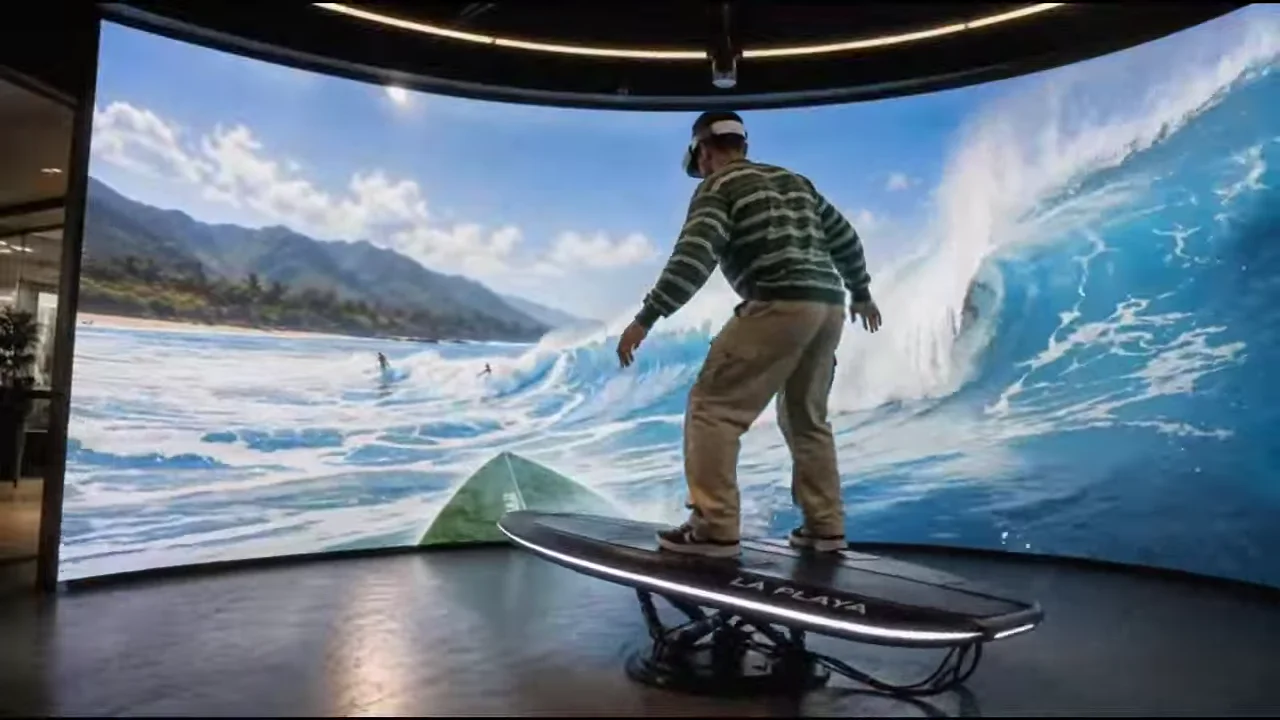
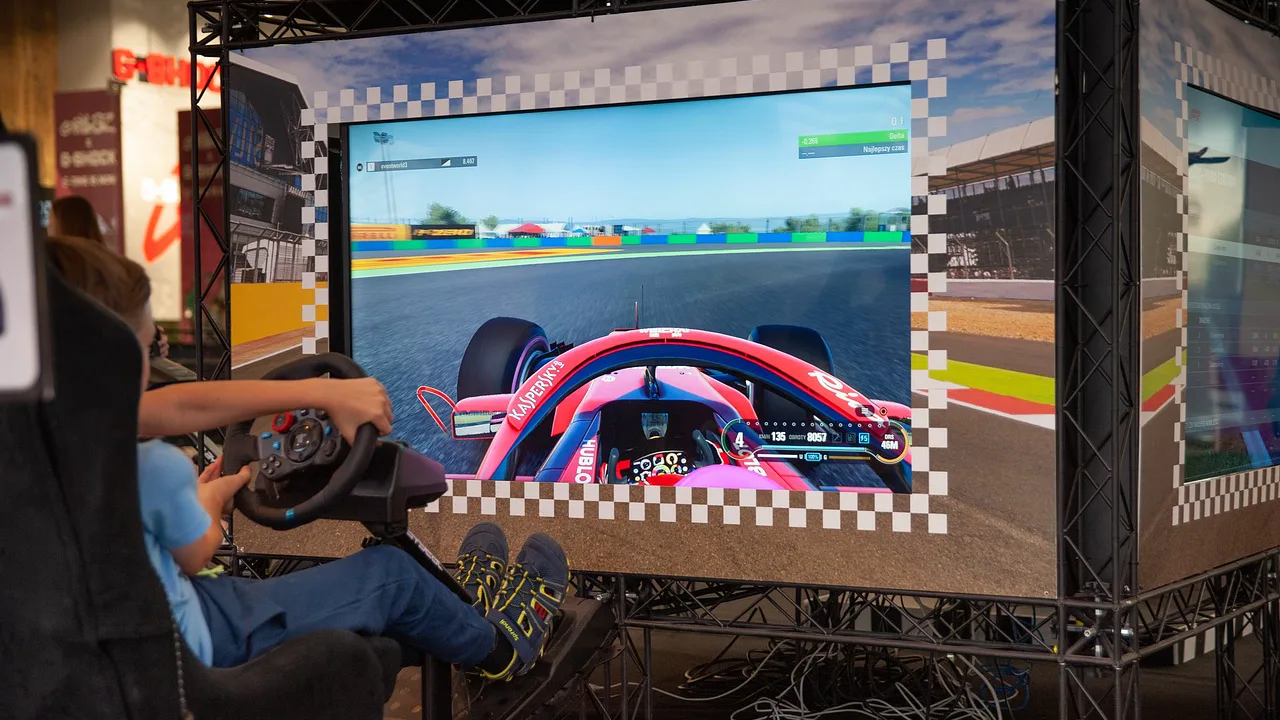
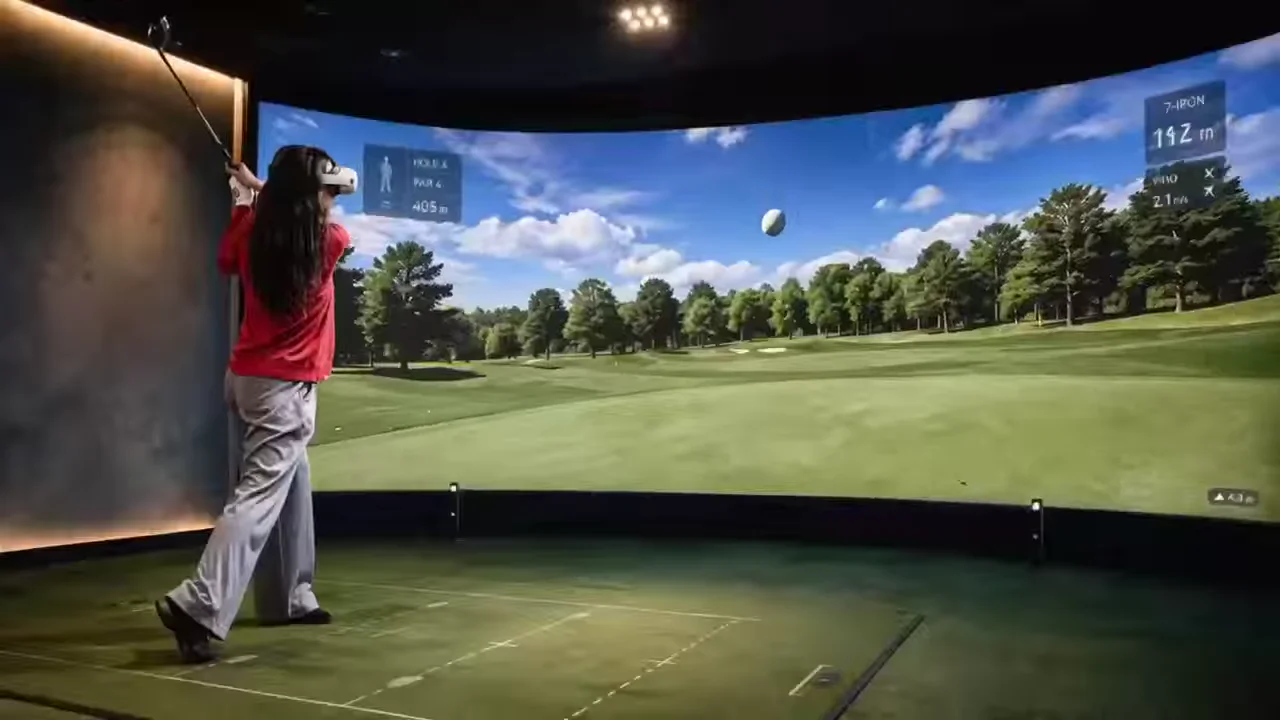
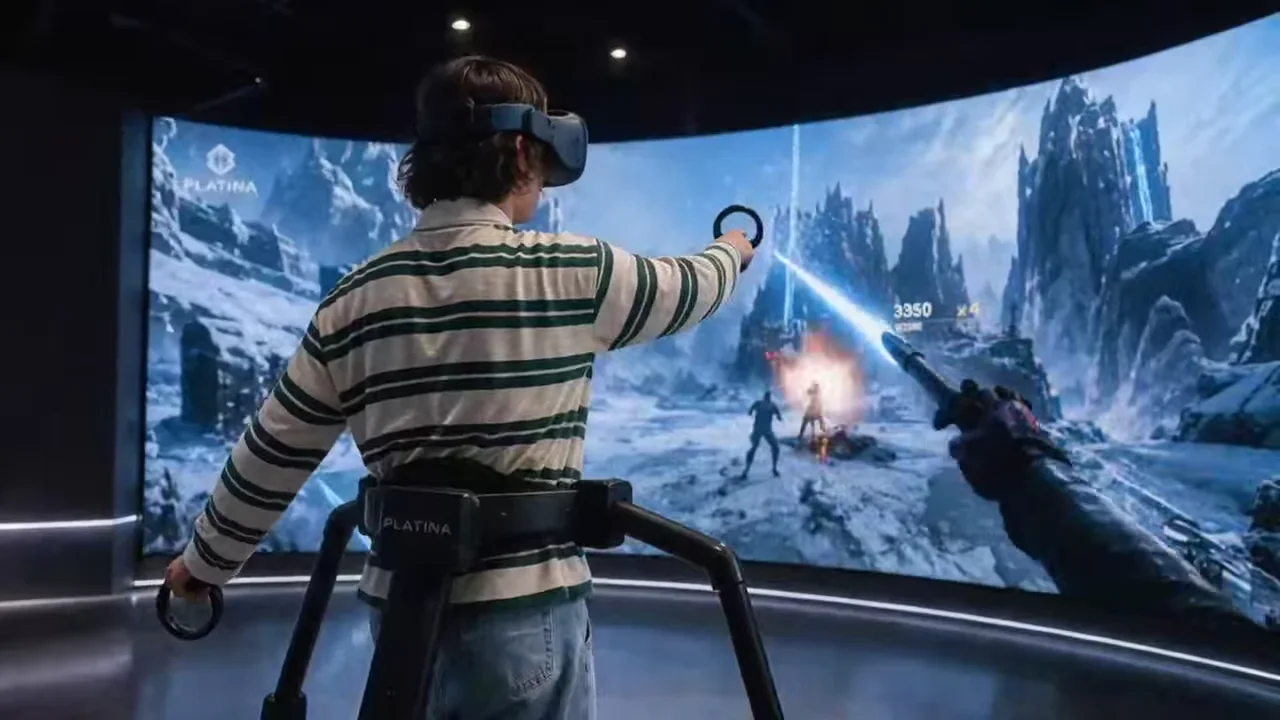
Offline activations haven’t gone anywhere — they’ve become more spectacular. Races on exercise bikes, VR attractions and competitions on LED screens draw not only players to the stand but spectators too.
Inside the company: HR and training
Games don’t only work on customers. Onboarding, product training, knowledge checks, a stand at a job fair — a game format makes the dull part engaging and gives measurable results: who finished and where people make the most mistakes.
One game, several lives
The most common mistake is building a game for one event day and switching it off in the evening. It pays to build the game core so it lives in several formats:
- Event: the game on a big screen or in VR — a spectacle and a flow of people to the stand.
- Web via QR: the same mechanic in the browser for those who didn’t make it to the stand or want a rematch.
- Telegram: seasons, daily tasks and a leaderboard that bring people back for weeks.
- Video: a trailer and social clips made from the same 3D assets to drive traffic into the game.
Graphics, characters and mechanics are created once and work across the whole campaign. The budget is spread not over one day but over months of contact with the audience.
Mechanics that keep people playing
Short sessions and a quick first reward
The best brand games fit into one to three minutes. Getting to the first win, points or prize should take no more than a couple of actions. Long rules and sign-up before the start cut off most of the audience.
The product is the mechanic, not a logo in the corner
If you could swap the brand for any other without changing the game, it’s a sticker, not an integration. It’s stronger when the product itself becomes the game tool: internet speed is the car’s speed, cashback is the bonuses you catch, delivery is the route you build.
Competition and social proof
Leaderboards, team modes, challenging a friend. People come back not for the game but for their place in the ranking and the chance to beat someone they know.
Skill, not luck
Mechanics where the fastest or most skilful player wins create more excitement than “spin the wheel”. And if the game has prizes, it’s worth agreeing the prize terms with a lawyer in advance.
A reason to come back
Daily tasks, seasons, collections, new levels for each wave of the campaign. Without them a game lives for a day.
How to tell whether the game worked
A game needs goals and metrics before development starts — just like a media plan.
| Metric | What it shows |
|---|---|
| Unique players and sessions | Reach and interest in the mechanic |
| Average session time | How much attention the brand actually got |
| Replays | Whether the mechanic is engaging |
| Shares and invites | Whether the game spreads on its own |
| Sign-ups and contacts | Leads with consent to communicate |
| Promo codes redeemed | The link between the game and sales |
| Cost per engaged minute | How the game compares with other channels |
Why brand games fail
- A game for the sake of a game. No business goal means no way to tell whether it worked.
- No promotion plan. A game is content, not a channel. It needs traffic: ads, influencers, QR codes on packaging, social announcements.
- A hard entry. Sign-up, long instructions and heavy loading before the first second of play.
- Weak visuals. The game is the face of the brand. Cheap graphics hurt perception more than having no game at all.
- No analytics. Without events and a funnel you can neither judge the result nor improve the game during the campaign.
- A one-day life. The game was built for an event and switched off, although it could have worked for months.
Why build a brand game with a production studio
A brand game is development, visuals and marketing at once. Code isn’t enough: you need campaign-grade graphics, characters and environments in the brand’s style, animation, a trailer that brings people into the game and clips for social media.
That’s why at Coper we combine development with what we do best — 3D, CG and video. Game assets, the trailer and the ad clips are made by one team from the same materials, so the campaign looks consistent from the stand to the stories. For Freedom Broker, for example, we built a VR game to present new products: about three minutes of active contact with the product theme per guest, a leaderboard and lead capture — more in the Freedom Broker VR case.
FAQ
Why is a game better than regular advertising?
Advertising buys a few seconds of passive attention; a game buys minutes of active participation that people come back to on their own. It does more for brand recall and gives you user data with their consent.
Do you need an app to launch a game?
No. A web game opens via a link or QR code, a Telegram game runs right in the messenger. A separate app is rarely needed.
How long does a brand game live?
From one day to several months. It depends on whether reasons to come back are built in from the start: seasons, tasks, a leaderboard, new levels.
Can one game be used both at an event and online?
Yes, and that’s the most cost-effective approach. The game core and graphics are created once and adapted for a big screen, VR, the browser and Telegram.
Thinking about a game for your brand? Tell us about the task and we’ll suggest a mechanic, format and platforms for your audience. See the formats on our Games for Brands page, or get in touch via our contact page.